Tips for Selecting Shoes That Fit Comfortably

Finding the perfect pair of shoes can feel like a daunting task. With various sizes, styles, and brand fits, it's easy to end up with footwear that doesn't fit quite right. To help guide you through this process, we've compiled some practical tips for selecting shoes that provide optimal comfort.
Shoe Size Tips for Comfortable Fit
Start by getting your feet measured properly. Shoe sizes can vary significantly between brands, so relying on just one size might lead you to miss out on a pair that fits comfortably. When measuring your feet, do it at the end of the day when your feet are most swollen. This gives you a more accurate size. Additionally, remember to measure both feet, as one foot is often larger than the other. Choose the size that fits your larger foot.
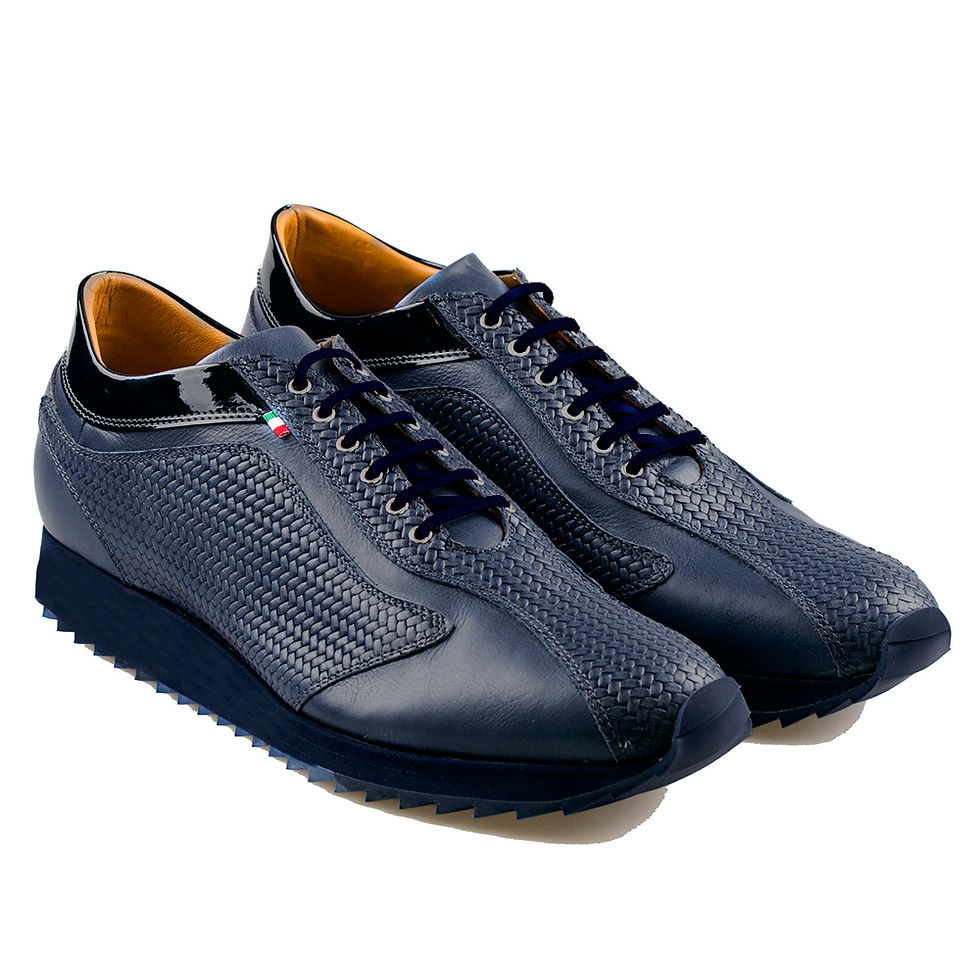
Don’t forget to consider the shoe's width as well as the length. Shoes come in varying widths labeled as narrow (B), standard (D), wide (2E), and extra-wide (4E). A proper fit involves not only length but also width. If your shoes feel tight across the widest part of your foot, they could be too narrow.
Understanding Shoe Materials and Construction
Different materials and shoe constructions can greatly affect how shoes fit and feel. For example, leather shoes might stretch slightly over time, while synthetic materials could maintain their shape. Make sure to try on shoes that match your needs, considering things like breathable materials if you plan to wear them for long periods.
If you can, walk around in the shoes before purchasing. Take the time to assess how they feel. Do they rub in any areas? Did you experience any discomfort right away? Shoes should feel comfortable immediately without requiring too much breaking in.

What are EU Shoe Sizes in the US?
When shopping for shoes, particularly from international brands, understanding the differences between EU and US shoe sizes becomes essential. European sizes are typically measured in centimeters, which can vary by brand, while US sizes use a different system. For instance, a US men's size 10 usually corresponds to a EU size 43.
Before making a purchase, refer to a reliable size conversion chart or consult a shoe size guide to ensure you are selecting the correct size. Always check if the brand you're interested in has its size chart, as sizing may differ from the standard.
The Importance of Trying Before Buying
It’s always best to try shoes on before you buy them. Shopping online can be tempting due to convenience, but this method often leads to returns if the shoes don’t fit as expected. If you must shop online, ensure the retailer offers free returns or exchanges. This way, if they don’t fit, you can easily send them back for a different size.
When you try shoes on, wear the type of socks you’ll typically wear with them. Sometimes, thicker socks need to be accounted for, especially in athletic shoes. Walk around the store for a bit to confirm the fit before making a decision. Sometimes, what feels fine for a minute could lead to discomfort after a longer period.

Consider the Purpose of Your Shoes
Different activities require different shoe features. Running shoes, for example, should be engineered for support and cushioning, whereas dress shoes may prioritize style over comfort. Think about what you will be using the shoes for and select accordingly.
If you're buying shoes for specific sports, investigate the features that enhance performance. Joggers may need extra support under the arches, while hikers might require shoes with solid grip and weather-resistant materials.
Final Tips for Keeping Your Shoes Comfortable
Even after selecting the right shoes, ensure you care for them properly. Rotate your shoes to prevent wear and tear. Store them in a cool, dry place to maintain their shape and longevity. Also, remember to replace your insoles periodically. This can improve comfort, especially if you wear the shoes daily.
Don’t hesitate to add orthotic insoles if you require additional support. These can drastically improve comfort levels, especially for those who spend long hours on their feet or have unique foot shape needs.
With these tips in mind, you can confidently select shoes that not only fit well but also provide comfort throughout your daily activities. Addressing each aspect of selection—from size and style to the right material—will lead you to footwear that feels like an extension of your own feet. Happy shoe shopping!


Comments